
 By
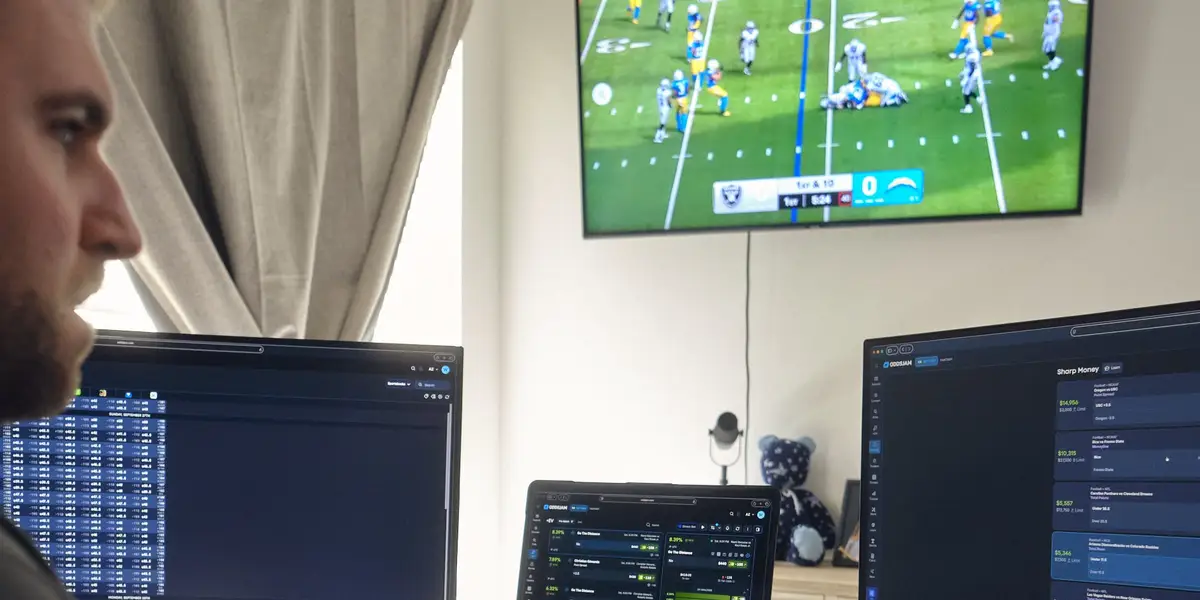
By Bill Collins once stood in a circle of Gamblers Anonymous meetings as an eighteen year old who had lost over a thousand dollars betting on college basketball. For years, he believed he had learned his lesson and vowed never to step foot in a sportsbook again. However, two decades later, Collins has returned to the world of wagering, but this time he views it not as a vice, but as a profession. By utilizing advanced mathematical strategies like arbitrage, where bettors exploit price differences across various platforms to lock in guaranteed profits, Collins now earns a living that allows him to bypass the traditional nine to five grind entirely.
For Collins and a growing number of modern bettors, the line between gambling and investing has blurred significantly. Rather than chasing lottery ticket wins or relying on gut feelings, these individuals treat sportsbooks like brokerage accounts. In August alone, Collins netted over twelve thousand dollars, representing an eight percent gain that he argues can outperform benchmark stock indexes over the short term. This shift toward treating wagers as calculated trades is part of a broader trend among Gen Z investors, many of whom are redirecting their savings into prediction markets and betting apps as a way to accelerate milestones like homeownership during a period of stagnant wage growth.
The rise of this approach coincides with a massive expansion of the US sports betting industry, which has ballooned from four hundred million dollars in 2018 to seventeen billion today following the overturning of the federal ban. Professionals like Alex Monahan, a former quantitative trader who turned sports betting into hundreds of thousands of dollars in lifetime profit, suggest that a background in finance provides a distinct edge. By removing emotion from the equation and focusing on scale and discipline, these bettors argue that they have transformed a compulsive habit into a sustainable vehicle for wealth creation.
Despite their success, those attempting to make sports betting a career often face significant social stigma. Even within his own family, Collins has faced pressure to abandon his pursuit for more traditional spiritual or professional paths. Yet for him and others seeking financial independence outside the corporate ladder, the appeal remains strong. To them, it is no longer about the thrill of the gamble but about the rigor of the grind, turning what was once an addiction into a strategic play for early retirement.
